What to do instead of doomscrolling (when you still want to scroll)
Most advice says put the phone down. Here are swaps that keep the habit and change what it leaves you with, and what the research says about each.
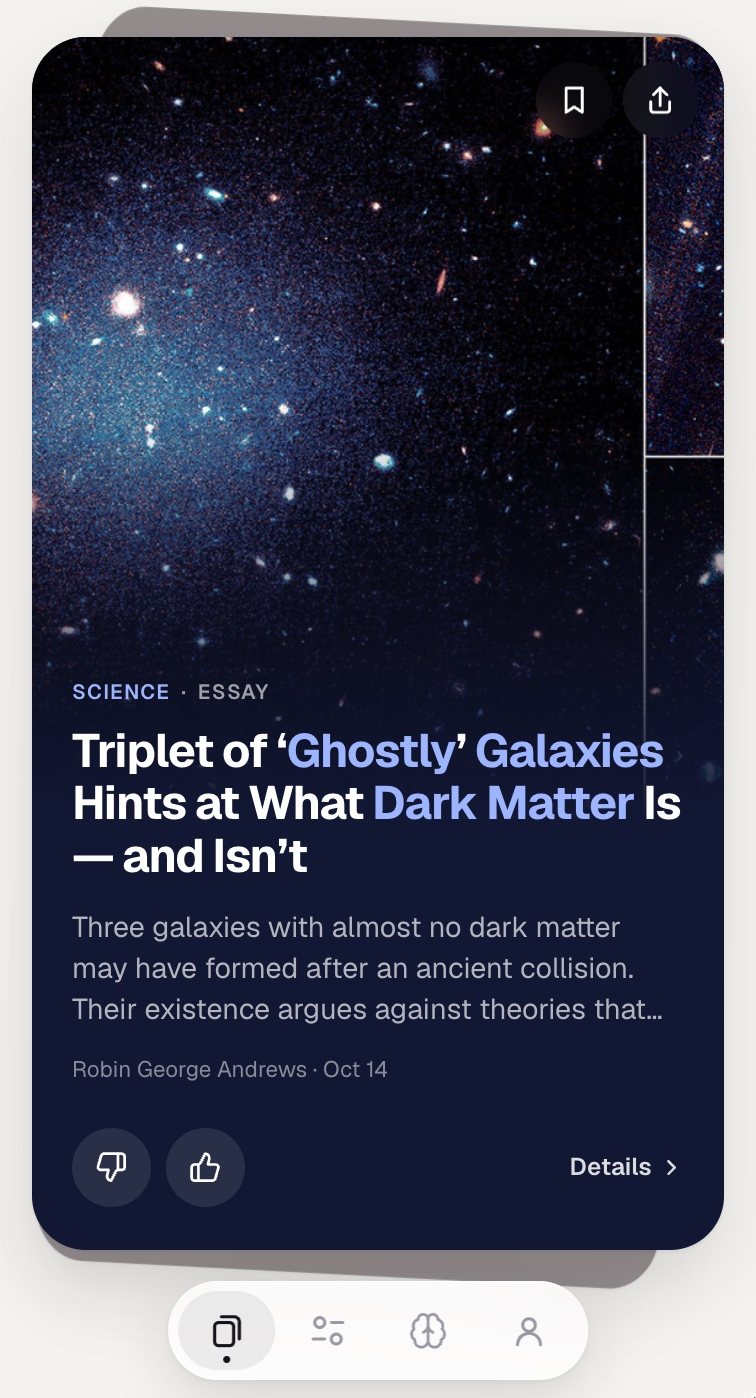
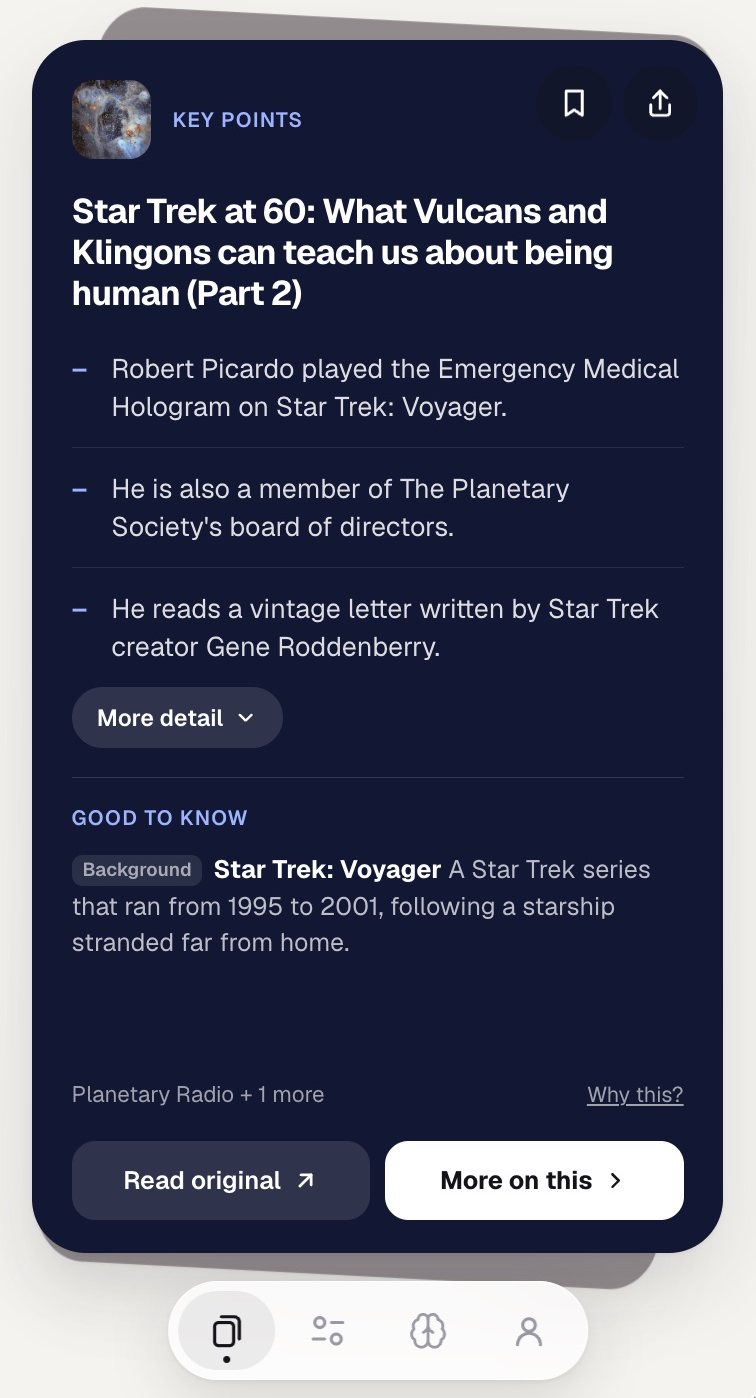
Most advice about doomscrolling says the same thing: put the phone down, go outside, read a book. It is good advice. It also asks you to beat a habit you have practiced thousands of times with willpower alone, usually at 11pm when you have none left.
There is another way to look at it. The scrolling itself is not the whole problem. The problem is what the scroll is made of. So instead of only trying to stop, you can change what is on the other end of your thumb.
First, what counts as doomscrolling
Merriam-Webster defines it as spending too much time scrolling through news or other content that makes you feel sad, anxious or angry. Researchers at the University of Florida built a scale to measure it in 2022 and found it often starts as wanting to stay informed about bad news, then turns compulsive. People who scored high on it also scored high on fear of missing out.
That gives you two things to work with: the feed (what you see) and the moment (when and why you reach for it).
1. Swap the feed, keep the thumb
If the reach for your phone is automatic, fighting it every time is tiring. Pointing it at something better is easier. Some options:
- A read-later list (Instapaper, Readwise Reader, or just a notes file of links) you only open when you would otherwise scroll.
- A podcast or lecture queue for the moments your hands are busy.
- A feed built from sources you chose on purpose: long-form magazines, science writers, newsletters, lectures. Same swipe, different diet.
2. Scroll actively, not passively
Several studies point the same way: passive scrolling, where you just watch, is linked to feeling worse, while doing something with what you see is not. A study of Twitter users found most use was passive, and passive scrolling went with lower wellbeing, while replying and visiting profiles went with a greater sense of belonging.
You can borrow this without posting anything. When something is worth it, save it, write one line about why, or send it to one person who would care. The point is to leave the feed with something, not just time gone.
3. Put a ceiling on the bad feeds
In a 2018 experiment at the University of Pennsylvania, students who limited Facebook, Instagram and Snapchat to about 10 minutes each per day for three weeks reported less loneliness and depression than students who used them as usual. It was a small study (143 students), but it is one of the few that actually assigned people to cut back, instead of just surveying them.
A limit is easier to keep when there is somewhere else to go once you hit it. That is why swap 1 matters.
4. Decide what you want to know about
A lot of doomscrolling is the feed choosing for you. Write down three or four things you are actually curious about: a period of history, how a field works, a skill. Then follow sources for those. A feed you designed is much harder to drown in.
5. Keep the news, lose the loop
Quitting feeds has a cost. In a large experiment, people paid to deactivate Facebook for four weeks reported higher well-being, but they also knew less about the news. The goal is not to know nothing. It is to get the news once, from a source that gives you the whole story, instead of a hundred fragments of it.
Where Oho fits
We built Oho for swap 1. It is a feed of short cards cut from 1,000+ sources: magazines, newsrooms, research papers, newsletters, YouTube lectures and podcasts. You pick the topics, every card names its source, and the original is one tap away. You scroll it like any feed and come out knowing more.